Are you tired of worrying about the hassles of questionable water quality when you travel, or putting up with the chlorine taste of tap water every day? We reviewed the different technologies out there to pinpoint what really makes an effective filtered water bottle—one that can improve water quality and make staying hydrated more comfortable in many situations.
In this article, we explain which technologies to prioritize, what they can actually do, and why this accessory has become essential both when traveling and in everyday life. 🚀
What makes a filtered water bottle truly effective?
The winning duo: mechanical filtration and activated carbon
Contrary to popular belief, a simple filter isn’t always enough. An effective filtered water bottle often relies on the combination of several complementary technologies.
Mechanical filtration helps physically trap certain particles and microorganisms, while activated carbon works on taste, odors, and certain chemical compounds such as chlorine.
A bottle that uses only one of these approaches remains limited. Combining both helps you get better-tasting water that’s more pleasant to drink, both day to day and on the go.
Filter what exactly? Contaminants found in water
Water can contain different types of contaminants depending on where it comes from:
Microbiological contaminants: bacteria and protozoa commonly monitored in water.
Very fine particles: depending on the technology used.
Chemical compounds: chlorine, heavy metals, residues from water networks or the environment.
Microplastics: increasingly present in tap water.
A good filtered water bottle therefore aims to reduce a wide range of lab-tested contaminants, while also improving the taste of the water.
The 3 pillars of high-performance filtration
After analyzing many models, three criteria consistently stand out:
Filtration level Ability to reduce different types of lab-tested contaminants.
Improved taste and odor Water that tastes better encourages better day-to-day hydration 😋
Filter durability Capacity expressed in liters and consistent performance over time.
Under the hood: filtration technologies demystified
Hollow fiber filters: an effective foundation
Hollow fiber filters work like a network of micro-tubes pierced with extremely fine pores. Water passes through, while some larger particles are trapped.
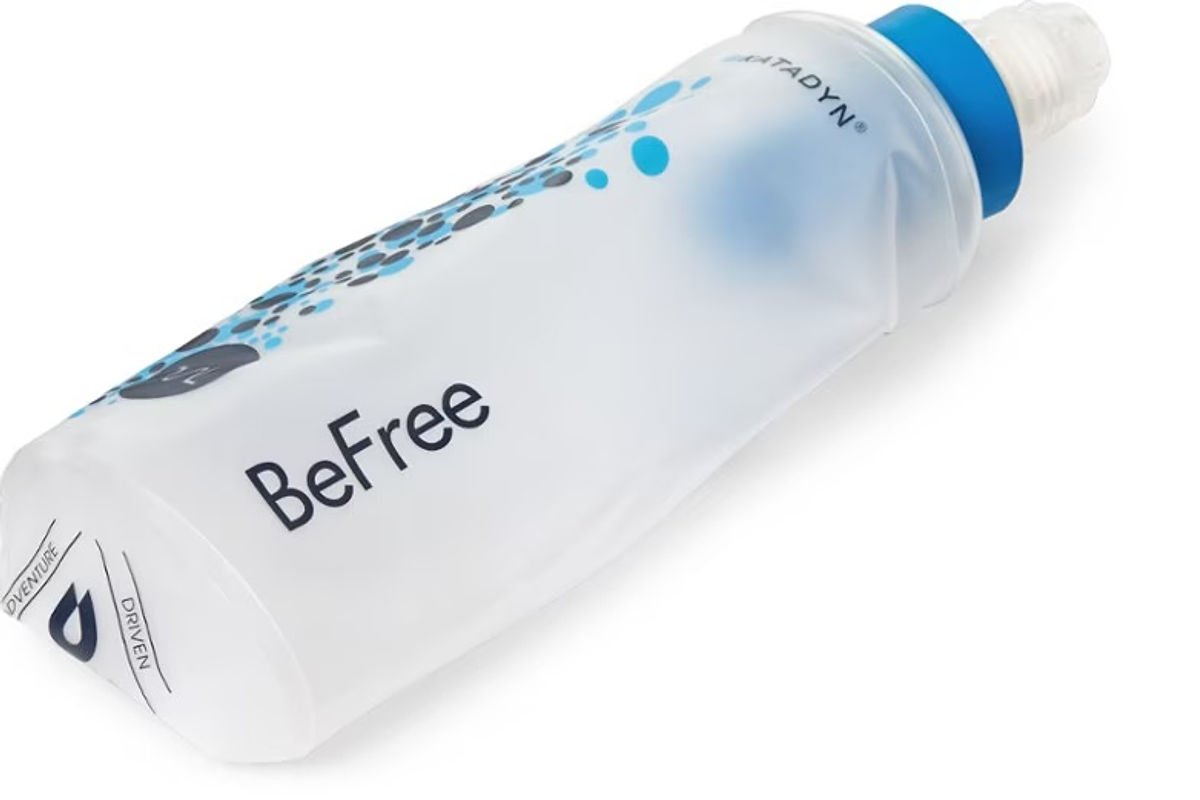
This system is very common, especially with LifeStraw or Katadyn BeFree. It’s lightweight, easy to use, and well suited to hiking in areas where water quality is relatively controlled.
That said, this technology has limits with the finest particles, which explains why more advanced solutions are worth considering for certain uses ⚠️.
Electro-adsorption: a technology inspired by the aerospace field
Electro-adsorption is based on a different principle: the electrical attraction of contaminants. Negatively charged particles are captured by a positively charged filter media.
This technology, inspired by a technology used by NASA, makes it possible to reduce a very wide range of contaminants, including extremely fine particles, as well as certain complex chemical compounds.
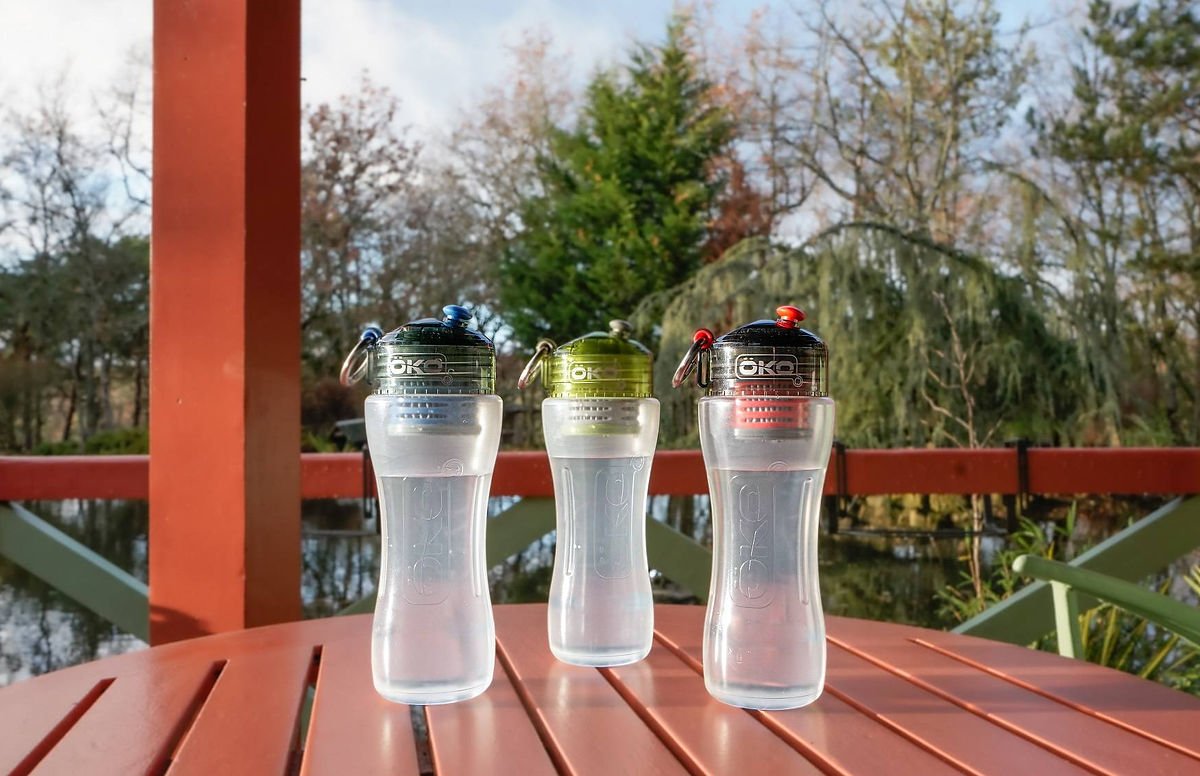
That’s what sets the most complete solutions on the market apart, such as the ÖKO bottle—both for travel and for everyday use at home 🏠.
Other systems: UV, pressure, and carbon-only
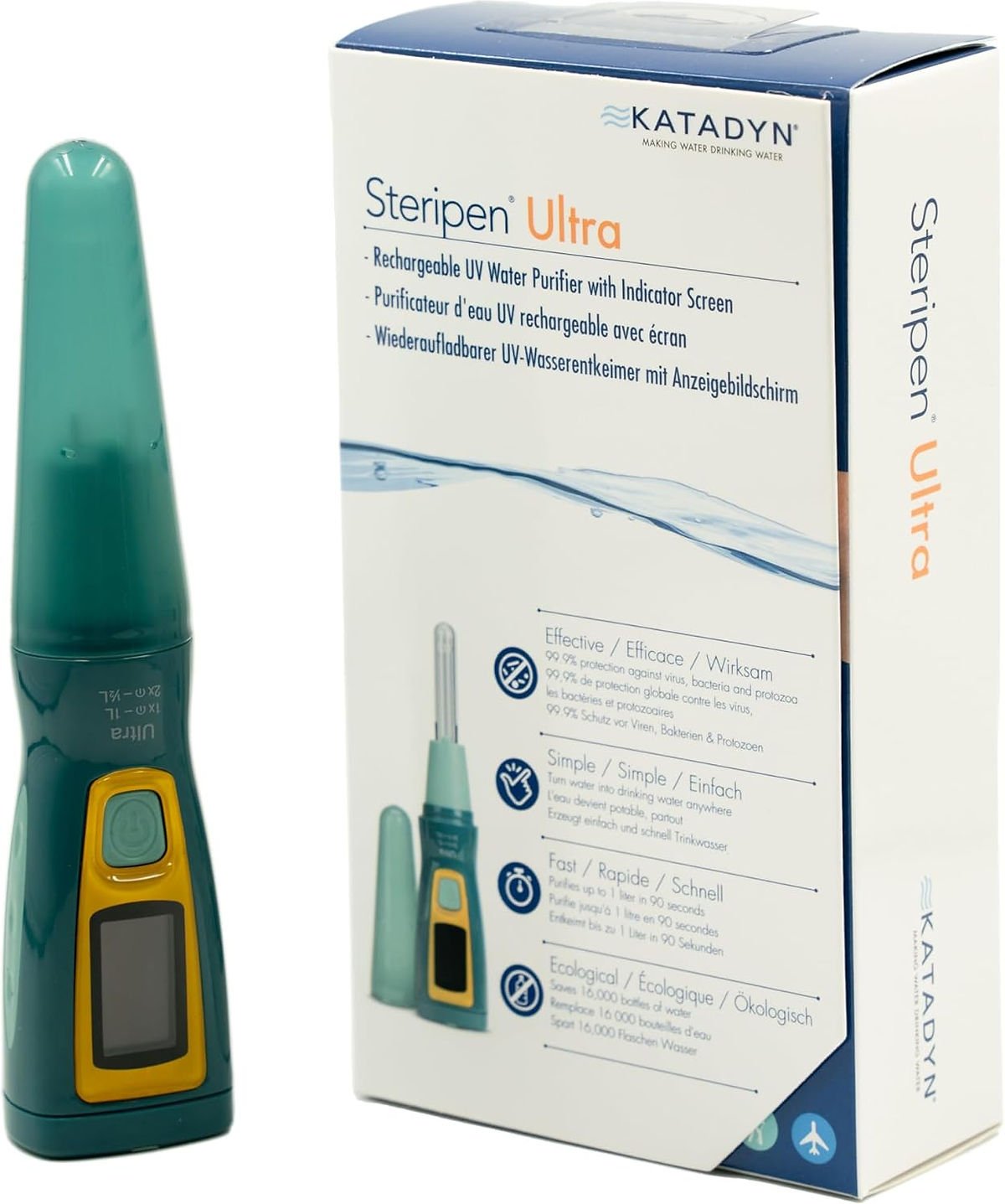
UV (SteriPen-type)Neutralizes certain microorganisms but removes neither sediment nor chemical compounds.
Pressure (Grayl-type)High-performance systems but bulkier, with cartridges that have a shorter lifespan 💪.
Activated carbon onlyImproves the taste of tap water but remains insufficient for other contexts 🛑.
The verdict: comparing filtration technologies
So, which technology should you choose for which use?
Occasional hiking: hollow fiber + carbon.
Long-term travel: advanced technologies like electro-adsorption.
Everyday use: prioritize taste, modern pollutants, and comfort.
The “99.99%” myth
This figure often applies to just one type of contaminant. It’s essential to check what’s actually tested, by whom, and under what conditions.
Serious solutions communicate tests carried out by accredited laboratories, with full transparency.
Practical criteria that make the difference day to day
Flow rate, weight, and bulk
Ease of use depends heavily on:
filtration flow rate,
weight,
durability.
Soft bottles are ultra-lightweight, while rigid models offer better durability.
Filter lifespan and the real cost
The real cost is measured in price per liter filtered.A filter that can treat several hundred liters helps significantly reduce your water budget, both when traveling and at home.
Ease of use and maintenance
Key points to check:
ease of use,
easy cleaning,
quick filter replacement,
perfect leak-proofing.
Filtered water bottle for everyday use: better than a pitcher?
Why filter tap water?
Even if it’s drinkable, tap water can contain:
chlorine,
residues from the environment,
microplastics.
Filtering your water therefore helps improve its taste and perceived quality.
Filtered water bottle vs classic pitcher
Pitchers rely mainly on activated carbon.Advanced filtered water bottles, thanks to technologies like electro-adsorption, offer a broader level of contaminant reduction.
An economic and eco-friendly advantage
A filtered water bottle replaces hundreds of plastic bottles, reducing:
waste,
carbon footprint,
your water budget 💸.
Choosing your filtered water bottle: final recommendations
For travelers
Prioritize:
durability,
versatility,
advanced filtration technologies.
For everyday use
Goal:
neutral-tasting water,
reduced unwanted compounds,
easy maintenance 💧.
In summary
An effective filtered water bottle combines:
several technologies,
lab testing,
real durability.
Solutions that integrate electro-adsorption combined with activated carbon, like those offered by ÖKO, are now one of the most complete standards for versatile use.

Beyond filtration: the overall benefits
Long-term savings
Fewer bottles bought, more freedom, and a very competitive cost per liter.
Reduced environmental impact
Less plastic, less transport, less waste 🌍.
Real everyday freedom
Being able to improve your water quality wherever you are brings real comfort and peace of mind, both when traveling and at home.
Book an activity in Réunion
Compare the best tours, boat trips, guided hikes, and activities in Réunion before booking.
This post is also available in:
 Français (French)