The Sud Sauvage is one of the most striking change-of-scenery areas in La Réunion. In a single day, you go from ocean-battered cliffs to stretches of road lined with lava, with a much rawer feel than on the west coast. It’s the perfect outing if you’re looking for a scenic day that’s easy to organize and very photogenic.
Here’s a clear itinerary to know where to start, which stops to prioritize, how much time to allow, and how to enjoy the Sud Sauvage without rushing around. To plan the rest of your trip, also keep our complete guide to traveling in La Réunion handy.
- Where is the Sud Sauvage in La Réunion?
- A simple one-day itinerary in the Sud Sauvage
- Why does this area leave such an impression?
- Practical tips before you go
- Quick FAQ
Where is the Sud Sauvage in La Réunion?
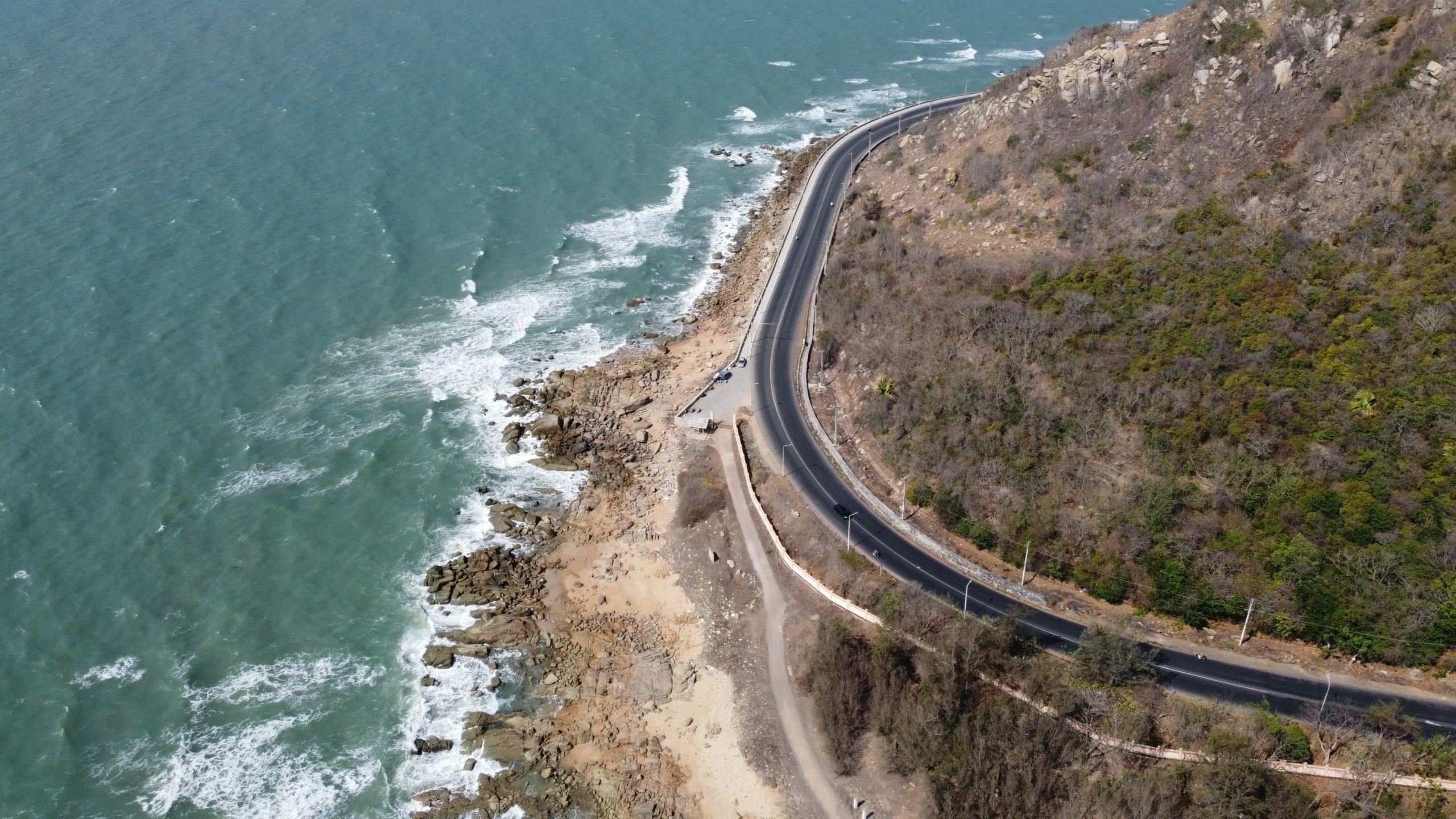
The name Sud Sauvage generally refers to the stretch of coast between Saint-Joseph, Saint-Philippe and Sainte-Rose, in the southeast of the island. It’s one of the best areas to feel the power of Réunion’s landscape: the ocean hits harder here, the cliffs are more prominent, and the volcano’s traces remain very visible along several stretches of road.
This day trip works very well as a complement to a more mineral day around the volcano and the Plaine des Sables, or a more athletic hike like Grand Bassin. Here, the idea isn’t to do a big walk, but rather to follow the coast, take lots of photo breaks, and enjoy the contrasts.
A simple one-day itinerary in the Sud Sauvage
The easiest option is to leave early and follow the coast without trying to see everything. One day is more than enough to get a feel for the area if you keep a reasonable pace. From Saint-Pierre or Le Tampon, allow plenty of time for driving and plan several short stops rather than an overloaded schedule.
- First stop: Cap Méchant or a coastal viewpoint in the Saint-Philippe area. This is often the best introduction to understand the Sud Sauvage’s spectacular side: black cliffs, dense vegetation, and a restless ocean.
- Second highlight: a relaxed drive through Saint-Philippe. No need to tick everything off. The point is mainly to drive slowly, stop when the light is good, and enjoy an atmosphere that’s wilder than elsewhere on the island.
- Lunch break: Anse des Cascades or a shady spot along the coast. It’s one of the nicest stops to take a breather, walk a little, and switch things up from the strictly mineral scenery.
- End of day: Route des Laves, then Sainte-Rose. It’s the best way to finish the loop, with the very clear feeling of crossing a landscape shaped by successive volcanic flows.
If you like well-balanced days, this format works really well: cliffs in the morning, volcanic coastline as you drive, a nature break at midday, then a lava atmosphere in the late afternoon. It’s also a great addition to a 7-day itinerary in La Réunion or a 2-week road trip.
Don’t focus on clocking up miles. In the Sud Sauvage, the main appeal is the sequence of different atmospheres. A few well-chosen stops are often better than a long list of spots rushed through too quickly.
Why does this area leave such an impression?
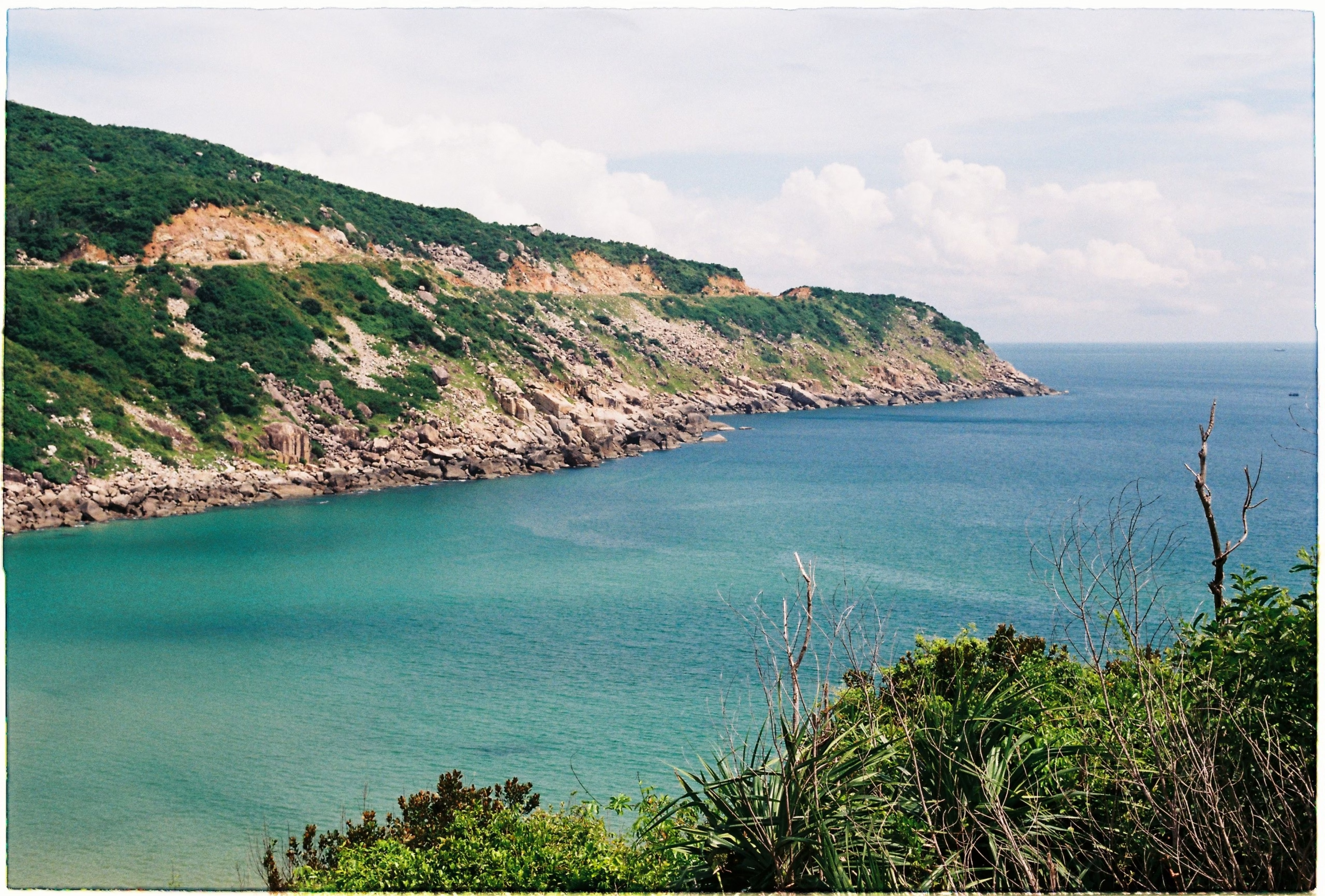
People love the Sud Sauvage because it shows a rougher side of La Réunion. Where other areas charm with lagoons or villages, here it’s the contrast between tropical vegetation, old lava flows, cliffs, and the ocean that makes all the difference. You feel the island’s direct encounter with the elements much more strongly.
It’s also a very interesting outing for travelers who have already seen the classics like Hell-Bourg or the Piton de la Fournaise hike and want to discover a different pace. The scenery is less “postcard-perfect,” but it often stays with you longer.
Another advantage: the day stays quite flexible. You can do it in photo mode, as a relaxed stroll, or simply as a beautiful scenic drive. It’s also a great area to save for a day when you don’t feel like a big hike, but still want to see a truly memorable part of the island.
Practical tips before you go
The simplest plan is to aim for an early start. Morning light works really well on the southeast’s terrain, and it gives you more room for unexpected stops. As often in La Réunion, the weather can change quickly: the coast can look very clear while another part of the island clouds over.
- Plan on having a car: it’s the easiest way to stay flexible between stops.
- Bring water, a snack, and if possible a light picnic.
- Don’t count on swimming everywhere: the ocean can be rough, and some areas are mainly for sightseeing.
- Bring a light rain layer or windbreaker, especially if the day runs long.
- Stick to authorized stopping areas: some stretches of coast are impressive, but that doesn’t mean you should get unnecessarily close to the edge.
- If you’re planning your whole stay, our article How to book activities for your stay in La Réunion? can help you organize the rest of your itinerary.
To choose the best time of year, also check our guide Which season should you choose to travel to La Réunion?. It offers helpful pointers for anticipating wetter or windier days in the east and southeast.
Book an activity in Réunion
Compare the best tours, boat trips, guided hikes, and activities in Réunion before booking.
Quick FAQ about the Sud Sauvage
Can you visit the Sud Sauvage in a single day?
Yes—absolutely, as long as you keep the itinerary simple. One day is enough to enjoy the main contrasts between cliffs, volcanic coastline, and stretches of road shaped by lava.
Do you need to plan a big hike?
No. This day works very well without a long walk. The Sud Sauvage is best discovered by car, with a few short strolls and scenic stops.
What’s the best time to leave?
Morning is often the best choice for the light and for keeping the day comfortable. It also lets you take your time without getting back too late on the return drive.
If you’re looking for a Réunion day that’s rawer, more contrasting, and less polished than the best-known spots, the Sud Sauvage is an excellent idea. Without complicated logistics, it delivers a real travel feel, with a powerful mix of lava, cliffs, vegetation, and ocean. With a good pace, it’s one of the areas we readily recommend to anyone who wants to see another side of La Réunion.
This post is also available in:
 Français (French)
Leave a Reply